Energy storage
Conductive additives for battery electrodes and other energy-storage applications.
 DIVINE STEWARDSHIPFAITH. CREATION. POSSIBILITY.Explore partnership ↗
FAITHFUL STEWARDS. FORWARD THINKERS.
Caring for God’s creation. Creating opportunity.
Putting innovation to work for the common good.
01 / OUR CALLING
We believe faith should shape what we build, how we work, and what we leave behind.
Divine Stewardship LLC is developing a ministry-aligned approach to carbon conversion: bringing churches, technology developers, industrial operators, and communities into a shared conversation about a more productive future.
Our vision is practical and purposeful—turning an industrial waste stream into useful materials, creating skilled work, and building a sustainable source of support for ministry and outreach.
Read the venture overview ↗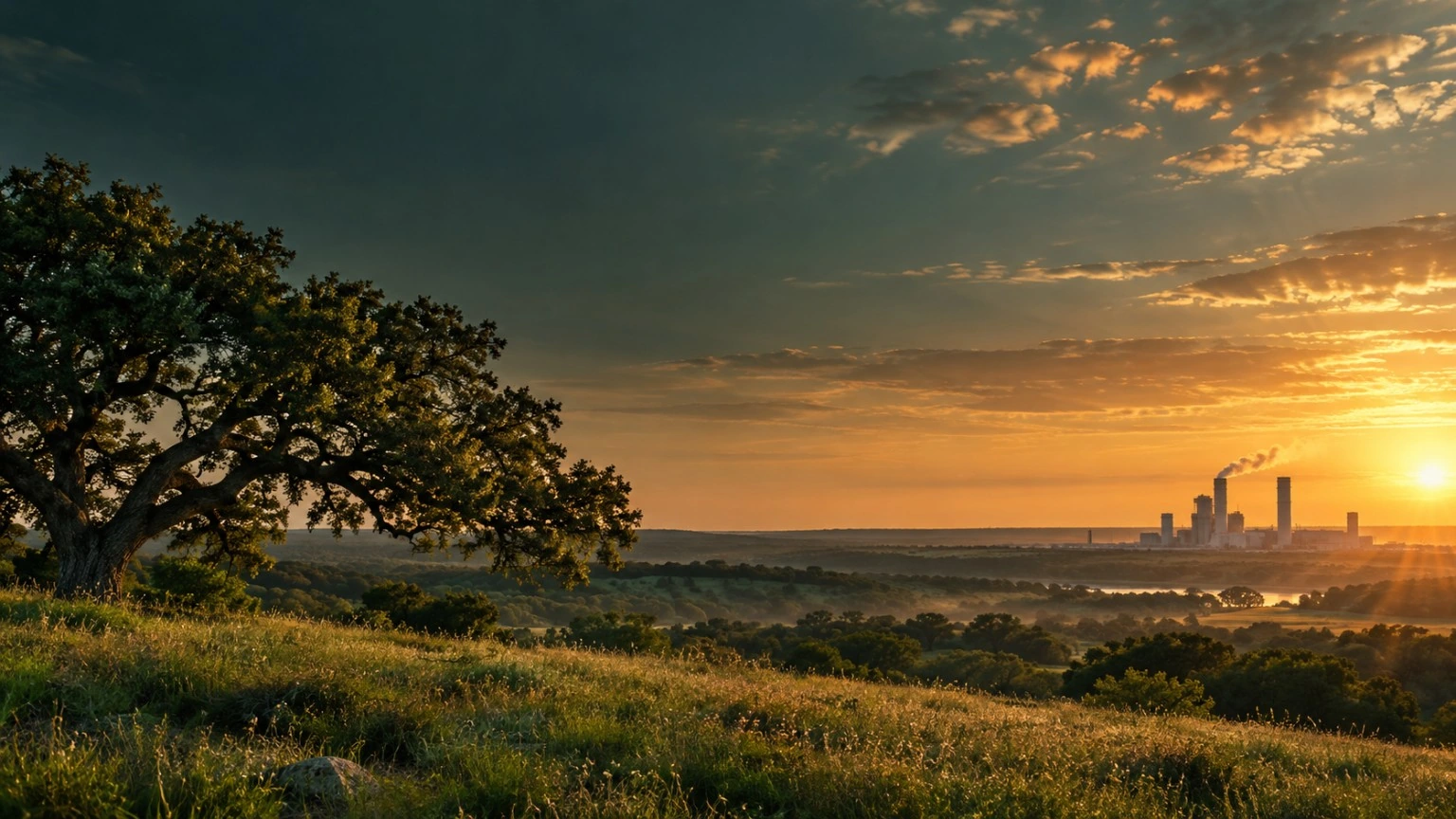
God has blessed us with the earth and with the ingenuity to thrive within it. Our calling is to use those gifts faithfully: to produce the energy our communities need, care for the land entrusted to us, and cultivate its beauty for generations to come.
Explore the possibility ↓02 / THE POSSIBILITY
Carbon dioxide can become a feedstock for advanced materials. We’re exploring how that possibility can serve people and the places they call home.
Power generation and other industrial processes produce carbon dioxide. A carefully designed capture system can direct a suitable portion of that stream toward a conversion process.
The first step is site-specific: assess gas composition, contaminants, available energy, safety, and integration with the host facility.
SkyNano has demonstrated carbon nanotube production using real power-plant flue gas. Divine Stewardship’s proposed use depends on a technology agreement and project engineering; no license or partnership is represented as secured. Read the evidence ↗
SMALL MATERIALS. BROAD POSSIBILITIES.
Conductive additives for battery electrodes and other energy-storage applications.
Materials research for lightweight structures, durable products, and industrial components.
Potential applications in tires, construction materials, and performance additives.
Applications depend on material purity, performance testing, customer qualification, and purchase agreements. Research into other carbon forms, including nano-onions, is a longer-term possibility.
03 / A PURPOSEFUL BUSINESS MODEL
The founding concept is a church-owned commercial venture that creates economic opportunity and supports the community’s wider mission.
A church’s leadership considers the venture, its purpose, governance, and responsible use of resources.
A separately governed for-profit entity pursues technology, industrial partnerships, and commercial operations.
Successful operations could support employment, scholarships, food assistance, outreach, and ministry.
The church-owned structure is proposed, not established by the supplied formation document. Ownership, tax classification, separate accounting, conflicts of interest, reasonable compensation, and permitted distributions need professional review. Forming an LLC alone does not automatically protect a church’s tax exemption. Funding programs have their own ownership and eligibility rules; SBIR/STTR eligibility cannot be assumed for a church-owned subsidiary.
Governance and funding notes ↗04 / START SMALL. TEST THE ASSUMPTIONS.
Start with feasibility. Prove the process. Expand on evidence.
The original materials envision a small modular pilot before wider deployment. This planning model makes the underlying arithmetic visible, so a promising idea can be examined with care.
Understand the planning assumptions ↗Scenario arithmetic, not a forecast, valuation, or investment offer. Assumes all output is sold. Excludes electricity, labor, equipment, licensing, financing, taxes, and other costs.
No tax credits included. A standalone 100–500 t/year pilot is below §45Q’s annual capture thresholds. Neither credit eligibility nor grant funding is assumed.
05 / A REGIONAL VISION
The source materials describe a church network across four states. Each region offers a different starting point for exploring industrial collaboration.
With a Lewisville correspondence address and a Denton-area focus in the original plan, Texas is the natural starting point for Divine Stewardship’s regional vision.
Denton Energy Center
North Texas gas-generation and LNG opportunities
Candidate references are research leads, not participating sites. The source’s “Dallas–Midlothian LNG Plant” identification requires verification before use in a project proposal.
All regions are at the concept and research stage. Site availability, ownership, emissions, technical fit, permits, and commercial terms require independent confirmation.
06 / FROM SEED TO HARVEST
Scale should follow demonstrated performance, sound economics, and the trust of the people a project serves.
ESTABLISH
Clarify ownership, governance, technical advisors, and the church’s role. Develop the feasibility brief.
FOUNDATION STAGEVALIDATE
Explore technology agreements, screen a host site, test product demand, and assess funding eligibility.
SUBJECT TO AGREEMENTSDEMONSTRATE
Evaluate output, energy use, material quality, safe operation, environmental performance, and actual costs.
SUBJECT TO FINANCINGCULTIVATE
Consider expansion only after repeatable performance, qualified customers, and sustainable economics.
EVIDENCE BEFORE EXPANSION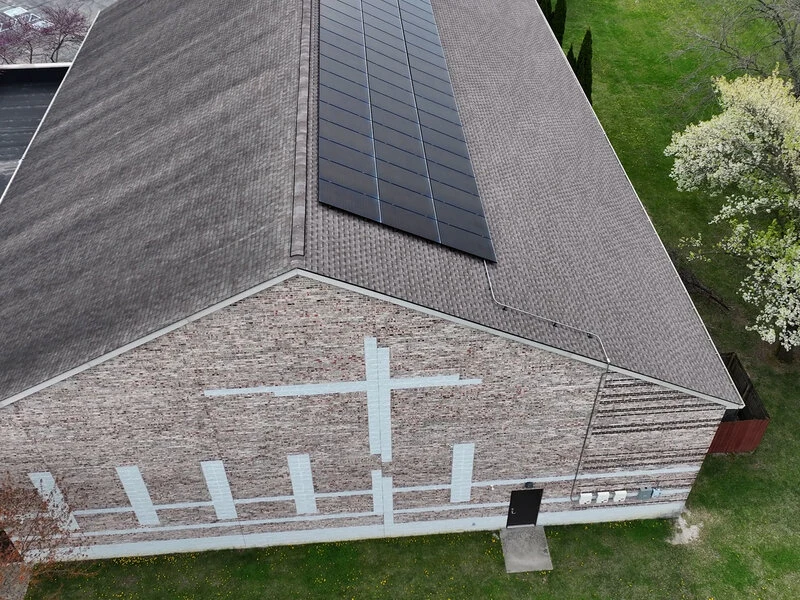 CREATION CARE, ROOTED IN COMMUNITY
07 / THE REASON WE BUILD
Financial sustainability matters because people matter. The aim is to build an enterprise whose benefits reach beyond the factory floor.
Skilled manufacturing, operations, maintenance, and technical development.
The possibility of supporting scholarships, food pantries, missions, and local outreach.
A pathway to useful carbon materials, with environmental benefits established through lifecycle assessment.
These are intended outcomes of the proposed venture; no operating results or job totals are claimed.
EXPLORE THE VISION
The mission, model, and proposed path forward.
The supplied discussion deck. Financial and eligibility claims remain unreconciled; see the notes below.
What is established, what is proposed, and what needs validation.
THE NEXT FAITHFUL STEP
For church leaders, industrial hosts, technology developers,
and community partners who see possibility in stewardship.